
1. Geographical & Map Formation
The area that is now Nigeria has been home to numerous ancient and indigenous kingdoms and states over millennia, including the Kingdom of Nri, the Benin Empire, and the Oyo Empire. The modern boundaries of Nigeria were established during British colonial rule. In 1914, the British formally amalgamated the Southern Nigeria Protectorate and the Northern Nigeria Protectorate to form the single colony of Nigeria. This geopolitical map formation merged over 250 ethnic groups into a single administrative entity. Following independence, the map underwent internal changes as the initial three regions were eventually divided into the 36 states and one Federal Capital Territory (Abuja) that make up modern Nigeria.
2. Heraldry & Flag Symbolism
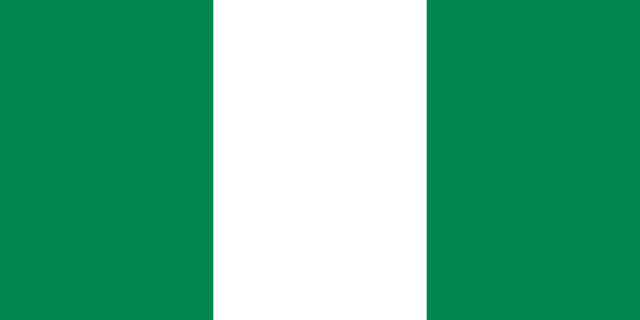
The national flag of Nigeria was designed by Michael Taiwo Akinkunmi in 1959 and officially hoisted on Independence Day, October 1, 1960. The flag features three equal vertical bands of green, white, and green. The two green stripes represent Nigeria's natural wealth, agricultural abundance, and lush vegetation. The central white stripe symbolizes peace and unity, serving as a vital message for a nation with immense ethnic and religious diversity.
3. Path to Freedom & Sovereignty
Nigeria's path to freedom involved decades of political advocacy and nationalism against British colonial rule, led by figures like Nnamdi Azikiwe, Obafemi Awolowo, and Ahmadu Bello. Nigeria officially became an independent nation on October 1, 1960. Three years later, in 1963, it became a federal republic. The post-independence era was challenging, marked by a devastating civil war (the Biafran War, 1967-1970) and several periods of military rule. However, in 1999, Nigeria successfully transitioned back to civilian democratic governance, establishing the Fourth Republic, which continues today.
Key Historical Milestones
The British amalgamate the Northern and Southern protectorates to form the Colony and Protectorate of Nigeria.
Nigeria gains independence from the United Kingdom on October 1.
Nigeria officially becomes a Federal Republic.
The Nigerian Civil War (Biafran War) begins, lasting until 1970.
Nigeria transitions to a civilian democracy, beginning the Fourth Republic.
4. Modern Geopolitical Challenges
As Africa's most populous country and largest economy, Nigeria faces significant opportunities and challenges. The economy relies heavily on oil exports, making it vulnerable to global price shocks, though there is a growing push to diversify into technology, agriculture, and services (notably the booming Nollywood film industry). Security challenges, including insurgency in the northeast and regional conflicts, remain a priority for the government. Furthermore, addressing infrastructural deficits and providing adequate education and employment for its rapidly growing youth population are critical for Nigeria's future stability and growth.
Frequently Asked Questions
How long has Nigeria been a country?
Nigeria has been an independent country since October 1, 1960. However, the modern borders were created in 1914 when the British amalgamated the Northern and Southern protectorates.
What do the green and white colors on the Nigerian flag mean?
The green stripes represent Nigeria's natural wealth and agriculture, while the white stripe symbolizes peace and unity.
Think You Can Pin Nigeria on the Map?
Use the landscape and flag clues you just learned to spot this country in our free Street View guessing game.
Play LostStreet Guessing Game