Drop into a random street anywhere on Earth. Could you figure out exactly where you are in under a minute? For GeoGuessr players and geography enthusiasts, this isn't magic—it's a science of observation. While landscapes and architecture provide a general vibe, the quickest way to identify a country is often by looking at the things most people ignore: the back of a road sign, the shape of a bollard, or the specific letters on a street name.
Here is your crash course in reading the world through infrastructure and language.
1. Reading the Road Hardware
Every country has its own safety standards and manufacturing quirks for road infrastructure. Recognizing these physical "tells" can immediately narrow down your location.
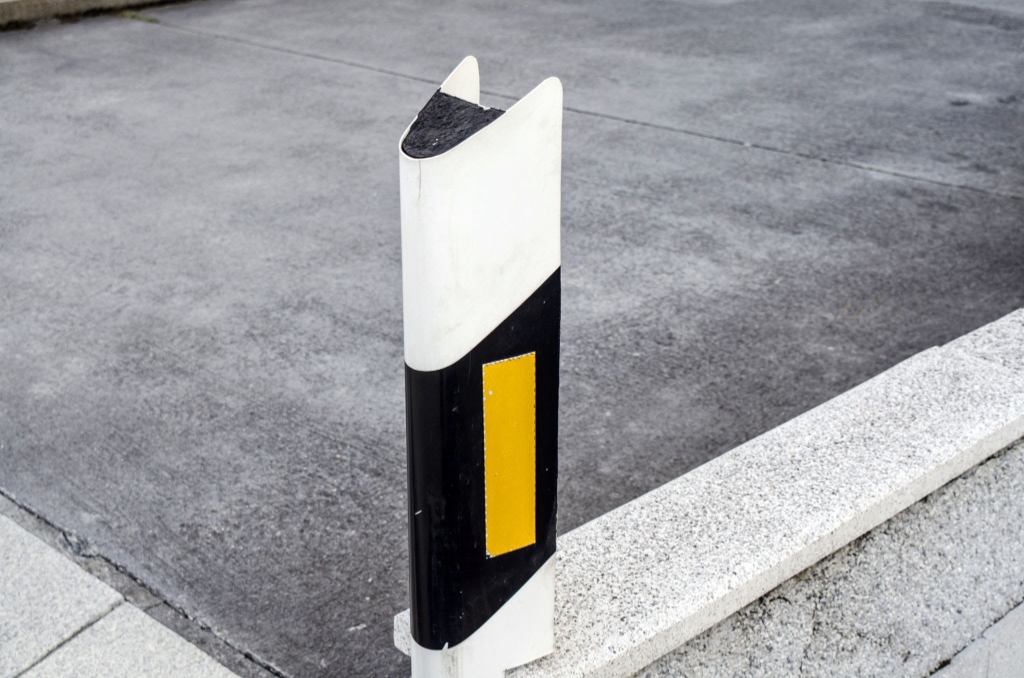
Bollards (Delineators)
These roadside markers are some of the most reliable clues in the game. For example, Austria uses a distinct white bollard with a black top section featuring a red or yellow rectangular reflector. Meanwhile, Australian bollards often feature a red strip on a white post, and Italy uses a bold black-and-white striped design.
Poles
Utility poles are highly regional. France, Poland, and Mexico are famous for their "holey poles"—concrete utility poles with ladder-like holes running up the middle. If you see wooden poles with a specific insulator stack, you might be looking at the United States or Canada.
Sign Backings
The back of a road sign is often more helpful than the front. In Colombia, road signs are almost always reinforced with a distinctive metallic cross-frame on the back. In contrast, if you see road signs whose backs are painted completely black, you are almost certainly in Brazil.
2. Decoding Languages and Toponymy
You don't need to be fluent in a language to use it as a clue. Recognizing unique letters (orthography), common suffixes, and specific words can instantly place you on the right side of a border.
The "Glaringly Obvious" Letters
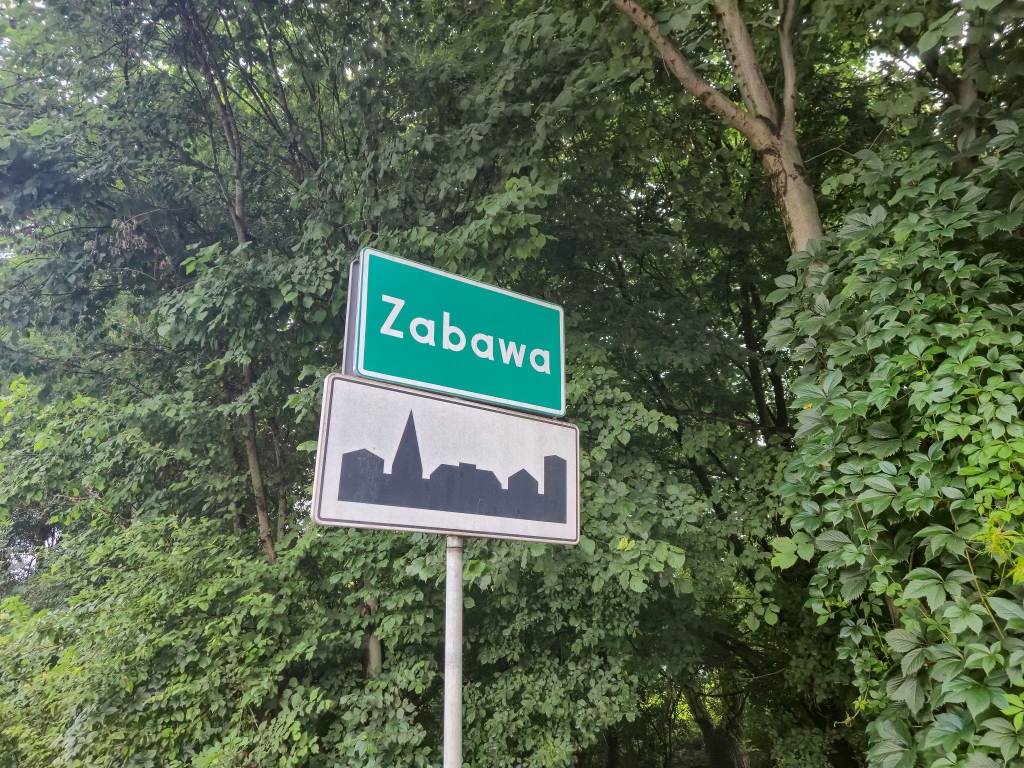
Certain characters belong to very specific countries. Poland is incredibly easy to spot if you look for letters like ą, ę, ł, ń, ó, ż, or ź. If you are torn between Scandinavian countries, remember that Swedish uses ö and ä, while Norway and Denmark use ø and æ.
The "Street" Test
The word for "street" is a massive giveaway. If you are debating between Russia and Ukraine, look at the street signs. In Russian, street is улица (ulitsa) and often abbreviated as ул. In Ukrainian, it's вулиця (vulitsya), abbreviated as вул.
Script Mixing
Some countries regularly mix alphabets on their signage. Serbia is famous for dual-script road signs, displaying both Cyrillic and Latin alphabets one above the other.
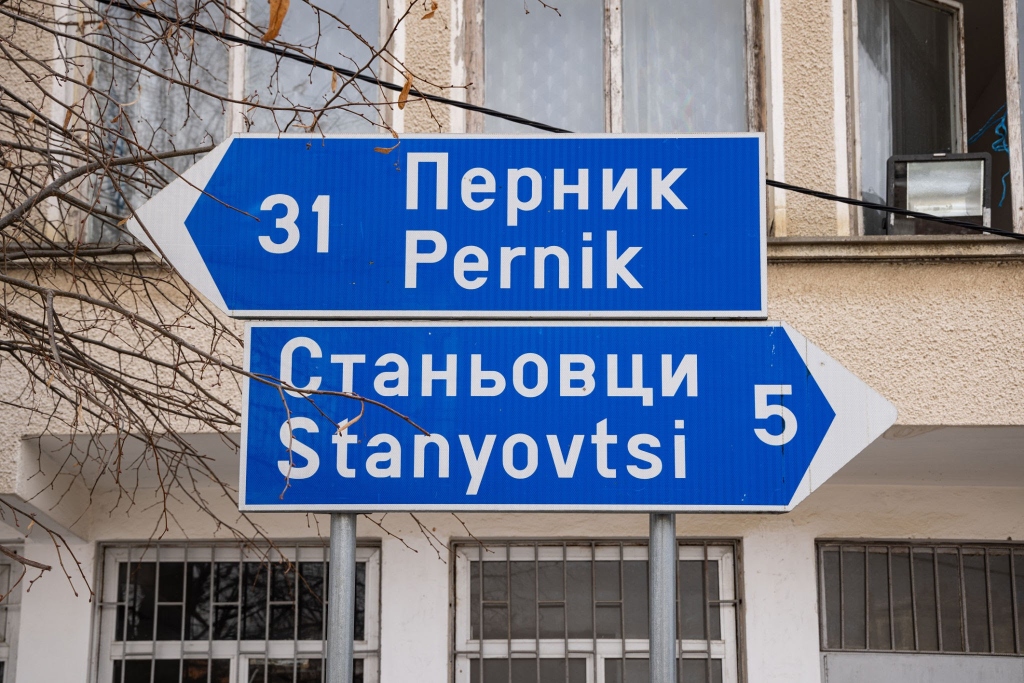
Toponymy (Place Names)
Pay attention to the suffixes on town entry signs. A town ending in -grad or -vo points to Slavic regions, while -burg or -dorf indicates Germanic influence. In Central Asia, the -abad and -stan suffixes dominate the map.
Continue Learning
Test Your Language & Sign Meta Skills!
Test your newly acquired language deduction skills with LostStreet before your next game:
Play LostStreet Free