
1. Geographical & Map Formation
The geographical formation of Montenegro is a key element of its national identity in Europe. Characterized by its rugged Dinaric Alps coastline, the nation's borders have been shaped over centuries by historical events, geopolitical negotiations, and local physical geography. These physical and political boundaries define how the sovereign map of Montenegro came to exist. The surrounding borders and geographical layout were negotiated in response to regional administrative changes, colonization policies, or territorial divisions, resulting in the modern map of the country we recognize today. This distinct geographical footprint plays a critical role in its local economy and regional relationships.
2. Heraldry & Flag Symbolism
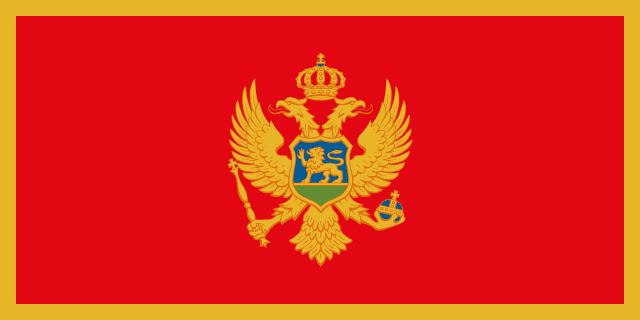
The national flag of Montenegro is a powerful symbol of the country's sovereignty and cultural heritage. The design features a red field with gold borders and double-headed eagle. Every color and emblem on the flag has been carefully chosen to represent the history and core values of the nation. The banner serves as a unifying symbol for the citizens, reflecting their ancestral struggles, local resources, and dreams for a prosperous future. The historical adoption of the flag is celebrated nationwide, reminding the people of their identity and the values that unite them as a sovereign community.
3. Path to Freedom & Sovereignty
The path to freedom and sovereignty for Montenegro involved a historic journey toward self-determination. The nation established its independent administration after gaining full sovereignty from separated from Serbia in 2006. This transition was the result of coordinated national movements, diplomatic discussions, and the courage of key figures who fought to govern their own land. The declaration of independence is a landmark moment in the history of Montenegro, representing the triumph of the local population over foreign influence or colonial rule. The country now celebrates its national day to honor those who paved the way for self-governance and democratic representation.
Key Historical Milestones
Significant border negotiations and administrative shifts occur under regional influences.
National movements gain traction, leading to constitutional shifts and self-governance debates.
Official declaration of independence and international recognition of Montenegro.
4. Modern Geopolitical Challenges
Today, Montenegro faces several contemporary challenges that impact its development and stability. The nation is actively addressing issues related to political polarization and infrastructure debt, which require strategic reforms and domestic investments. These difficulties range from economic transitions and infrastructure development to environmental conservation and social integration. The government and citizens of Montenegro continue to collaborate with international partners and local communities to overcome these hurdles, striving toward sustainable growth, economic diversity, and improved living standards for all citizens.
Frequently Asked Questions
When did Montenegro gain independence?
Montenegro attained its full sovereignty and recognized independence from separated from Serbia in 2006.
What are the main geographical characteristics of Montenegro?
Montenegro is located in Europe and features a geographical layout characterized by rugged Dinaric Alps coastline.
Think You Can Pin Montenegro on the Map?
Use the landscape and flag clues you just learned to spot this country in our free Street View guessing game.
Play LostStreet Guessing Game