1. Geographical & Map Formation
The Bahamas is an archipelago of over 700 islands, cays, and inlets in the Atlantic Ocean, north of Cuba. Originally settled by the Lucayan people (a branch of the Taínos), the islands became the site of Christopher Columbus's first landing in the New World in 1492. Spanish slave raids depopulated the islands, and they remained mostly uninhabited until English Puritans, known as the Eleutheran Adventurers, established a settlement in 1648. During the late 17th century, the archipelago's intricate network of shallow banks and hidden channels became a notorious pirate haven. Britain claimed the islands as a crown colony in 1718, establishing maritime borders that control major shipping channels linking the Atlantic to the Gulf of Mexico, not far from other Caribbean nations like Antigua and Barbuda.
2. Heraldry & Flag Symbolism
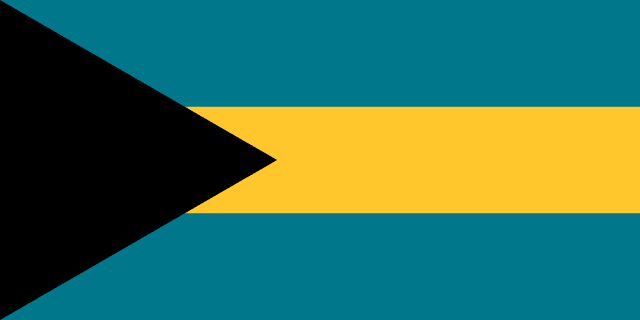
Adopted on July 10, 1973, to celebrate independence, the Bahamian flag features three horizontal bands of aquamarine, gold, and aquamarine, with a black equilateral triangle at the hoist. The aquamarine bands represent the clear, turquoise waters of the Caribbean and Atlantic surrounding the islands; the gold band symbolizes the warm sun and sandy shores; and the black triangle represents the strength, vigor, and determination of the Bahamian people, who are primarily of African descent. The design was chosen through a national competition to replace the British Blue Ensign.
3. Path to Freedom & Sovereignty
The Bahamas achieved self-governance in 1964 and gradually moved toward sovereignty. The transition was driven by the progressive majority rule movement in the 1960s, led by Lynden Pindling, who became Prime Minister in 1967. Pindling championed economic empowerment for the Afro-Bahamian majority and led negotiations for independence. On July 10, 1973, the Bahamas officially attained full independence from the United Kingdom, remaining a member of the Commonwealth of Nations and retaining a parliamentary system.
Key Historical Milestones
Christopher Columbus makes his first landfall in the Americas on the Bahamian island of San Salvador.
English Puritans establish the Eleutheran Adventurers colony, fleeing religious persecution.
Woodes Rogers becomes first Royal Governor, successfully expelling pirates from Nassau.
The Bahamas achieves majority rule, with Lynden Pindling appointed Premier.
The Bahamas gains full independence from the United Kingdom on July 10.
4. Modern Geopolitical Challenges
The Bahamas faces severe challenges due to its low-lying island geography. The country is highly vulnerable to climate change-induced sea-level rise and extreme weather events; in 2019, Hurricane Dorian devastated the northern islands, causing billions in damage. The national economy is heavily reliant on foreign tourism and offshore financial services, making it vulnerable to international regulatory changes and global recessions. Additionally, the geography of dispersed islands creates high costs for maintaining infrastructure, hospitals, and schools across the archipelago.
Frequently Asked Questions
Who were the Eleutheran Adventurers?
They were English Puritans who fled religious persecution in Bermuda and established the first permanent British settlement in the Bahamas in 1648.
What is the economic backbone of the Bahamas?
Tourism is the primary industry, accounting for over 50% of the GDP and employing half of the national workforce.
Think You Can Pin Bahamas on the Map?
Use the landscape and flag clues you just learned to spot this country in our free Street View guessing game.
Play LostStreet Guessing Game